
How to Talk to Kids About Safety Without Creating Fear

If you’re a parent, you know the feeling.
You look at this tiny person you love more than words can describe, and your instinct is simple:
protect them.
When our children are young, that’s exactly what we do. We buckle their car seats. We hold their hands crossing the street. We keep dangerous things out of reach.
We spend years protecting them from the world around them.
But something changes as they get older.
At some point, our job shifts from protecting them from every danger to helping them learn how to protect themselves.
And if we’re honest, that’s not always easy.
Sometimes fear gets in the way.
We hear stories about trafficking, exploitation, online predators, and unsafe situations, and our natural response is to tighten our grip. We want to say no. We want to keep our children close.
We want to eliminate every risk.
The problem is that fear is not a long-term safety plan.
Connection is.
One of the things I’ve learned through years of anti-trafficking work is that vulnerability often creates opportunity for exploitation.
I’ve spoken with young people who were trafficked. I’ve spoken with young people who came dangerously close to being trafficked.
Their stories are all different, but many shared something in common.
They were vulnerable.
Sometimes that vulnerability came from family conflict.
Sometimes it came from loneliness.
Sometimes it came from a desire to belong.
Sometimes it came from feeling misunderstood or disconnected from the people who loved them most.
Traffickers are skilled at identifying those vulnerabilities.
They know how to offer attention, validation, affection, gifts, understanding, or a sense of belonging.
They know how to become the person a young person turns to when they feel they have nowhere else to go.
That is why one of the greatest protective factors we can build is a strong relationship with our children.
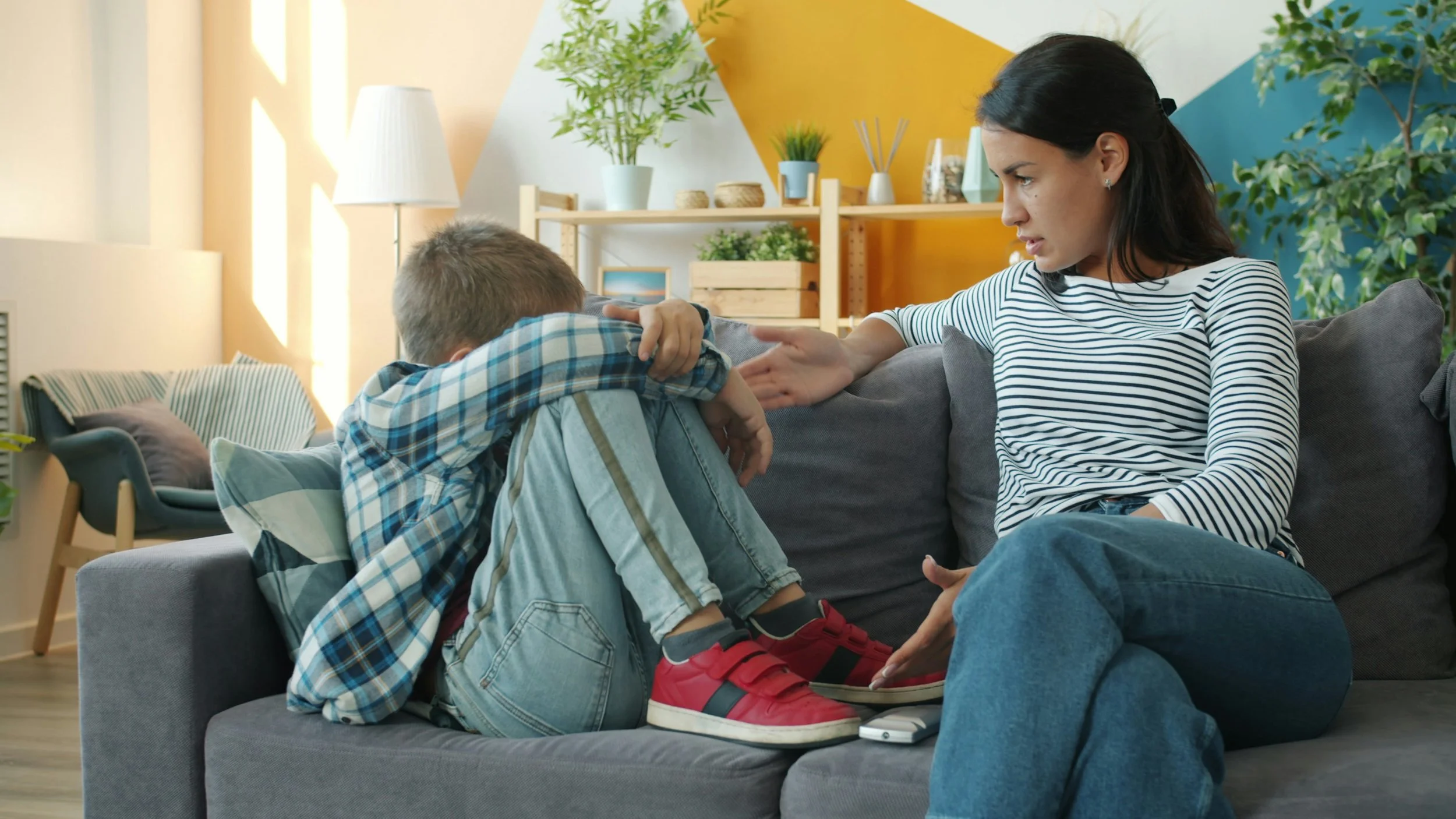
That doesn’t mean our kids will never get angry with us. As the parent of four children, I can confidently tell you that kids get angry sometimes.
That’s normal.
But there is a difference between a child being upset about a rule and a child feeling disconnected from the adults who care about them.
We want our children to know they can come to us with hard questions, mistakes, fears, and concerns without immediately fearing shame or rejection. We want ongoing conversations, not one-time lectures. We want to talk about difficult topics before they become real-life situations. We want our children to understand that there are people in this world who take advantage of vulnerability. We want them to recognize manipulation, unhealthy relationships, online grooming, and situations that do not feel safe.
Most importantly, we want them to know they can talk to us.
Safety conversations do not have to create fear.
In fact, they shouldn’t.
The goal is not for our children to be afraid of the world.
The goal is for them to be prepared for it.
Prepared children know how to recognize red flags.
Prepared children know how to ask for help.
Prepared children know what healthy relationships look like.
Prepared children know they have trusted adults they can turn to when something feels wrong.
And prepared children are far less likely to face those challenges alone.

Move Hope Forward
One of the most powerful ways we can move hope forward is by creating open, honest conversations with the children in our lives.
Talk with them.
Listen to them.
Ask questions.
Stay curious about their world.
Build trust before a crisis ever happens.
The strongest protection we can give our children is not fear.
It is a relationship strong enough that they know they can always come home, always ask for help, and always be heard.
That is how we move hope forward for the next generation.